


And Why You Only Get One Chance to Do It Right
When it comes to junior golf development, few topics generate more debate than when and how to train for speed. Many parents and coaches focus early on accuracy, technique, and tournament results, often with the best intentions. But mounting evidence from sports science, Olympic development models, and elite golf performance suggests a different priority:
Speed must be developed early, or it may never fully develop at all.
One of the top Junior Golf experts in the world, Dr. Greg Rose founder of TPI, joined SuperSpeed for an in-depth webinar explaining why speed matters, when it should be trained, and how junior golfers can maximize their long-term athletic potential.
Here are the highlights.
Chronological Age vs. Biological Age
One of the biggest mistakes in junior development is using chronological age (how old a child is on the calendar) instead of biological or developmental age (how mature their body is).
Two kids born within weeks of each other can look and perform years apart athletically. This is because children grow at different rates, influenced by genetics, hormones, and environment.
Sports science uses growth velocity (how fast a child is growing) to determine developmental stage. Pediatricians use this data every day, and elite athletic development programs rely on it to decide what to train and when.
The Concept of “Windows” of Athletic Development
Research across Olympic sports shows that children experience specific windows of opportunity where certain physical qualities are easier to develop.
In golf, four of these windows are especially important for speed and distance:
- Speed Window 1 (Early Childhood)
- Speed Window 2 (Puberty / Growth Spurt)
- Strength Window (Peak Height Velocity)
- Power Window (Late Adolescence)
Miss these windows, and development becomes far more difficult later.
Speed Window 1: The Most Overlooked Opportunity
For most children:
- Girls: ~4–7 years old
- Boys: ~5–8 years old
This is the first and most critical speed window.
During this phase, the nervous system is highly adaptable. Children can learn to move faster more easily than at any other point in life.
Key principle:
This is not the time to prioritize accuracy.
If a young golfer swings as hard as they can, falls over, and misses the fairway, but generates speed, that’s a win.
You can teach accuracy later.
You cannot easily teach speed later.
Why Speed Comes Before Accuracy
Parents often ask:
“Shouldn’t we teach kids to hit it straight first?”
The problem is that early accuracy training often slows kids down. It reinforces cautious movement patterns and limits long-term speed potential.
Elite golfers almost universally developed speed early, either through sport, play, or intentional training, and refined accuracy later.
Speed Window 2: Puberty and the Growth Spurt
The second speed window opens during puberty:
- Girls: ~10 years old
- Boys: ~12 years old
During growth spurts, bones grow faster than muscles, creating natural tension in the body. This tension can be leveraged to produce greater speed if training is done correctly.
Kids may appear “tight” or uncoordinated during this phase, but physiologically they are primed for speed gains.
How Speed Training Should Look for Juniors
Speed training for kids should be:
- Short (5–10 seconds per effort)
- Explosive
- Play-based
- Non-fatiguing
Examples include:
- Sprinting short distances
- Jumping and hopping
- Throwing balls
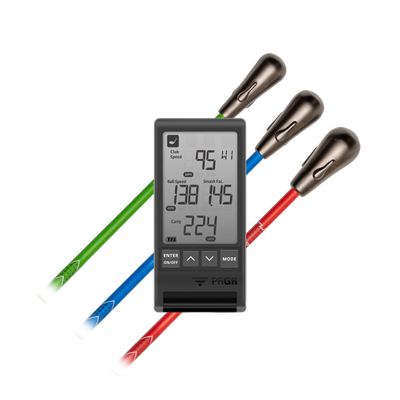
- Swinging clubs or implements fast, like SuperSpeed junior speed sticks
- Striking sports like baseball, tennis, or badminton
Long, exhausting drills reduce speed development and should be avoided.
The Strength Window: When Lifting Matters
True strength development becomes effective around peak height velocity, the point during puberty when kids are growing fastest.
This is when:
- Hormones like testosterone rise
- Muscular hypertrophy becomes possible
- External resistance (weights) becomes valuable
Before this window, strength gains are mostly neurological. During it, real physical strength can be built safely with proper supervision.
Power: Where It All Comes Together
Power = Speed × Strength
Once speed and strength foundations are in place, power training becomes highly effective. This typically occurs around ages 15–16, depending on development.
Medicine ball throws, jumps with load, and explosive rotational drills become key tools at this stage.
Why Most Speed Is Built When You’re Young
Data from professional golf shows:
- Most players lose speed as they age
- Very few gain large amounts of speed after their early 20s
- Those who do typically started young
Speed built early stays with an athlete longer, and is easier to regain later.
The “Fuel Type” Model
Every athlete ends up with a different “engine”:
- Rocket Fuel: Hit all development windows
- Jet Fuel: Missed one window
- Gasoline Engine: Late start
- Diesel Truck: Minimal early athletic exposure
All athletes can improve but expectations must match history.
This explains why some adults gain 10–15 mph quickly, while others gain 2–4 mph despite similar effort.
What College Coaches Really Want
College and professional scouts consistently prioritize ball speed.
Why?
- Speed is hard to teach
- Accuracy is teachable
- Distance changes competitive ceilings
A fast athlete with average skills is often more valuable than a precise player with limited speed.
The Long-Term Goal
The goal of junior golf development is not to create the best 8-year-old golfer.
The goal is to create:
- A fast, athletic 18-year-old
- With the physical tools to compete at the highest level
- And the skills layered on top over time
You only get one chance to build that foundation.
Final Thought
If you’re a parent or coach of a junior golfer, the most important question isn’t:
“How good are they now?”
It’s:
“What will they be capable of later?”
And speed, trained at the right time, is a major part of that answer.
Ready to put this into practice? SuperSpeed offers junior golf speed training sets, sized by age for kids 5 to 14 and built on the same overspeed system trusted by tour pros.